
Why We're Building a Quieter Whale Watching Boat
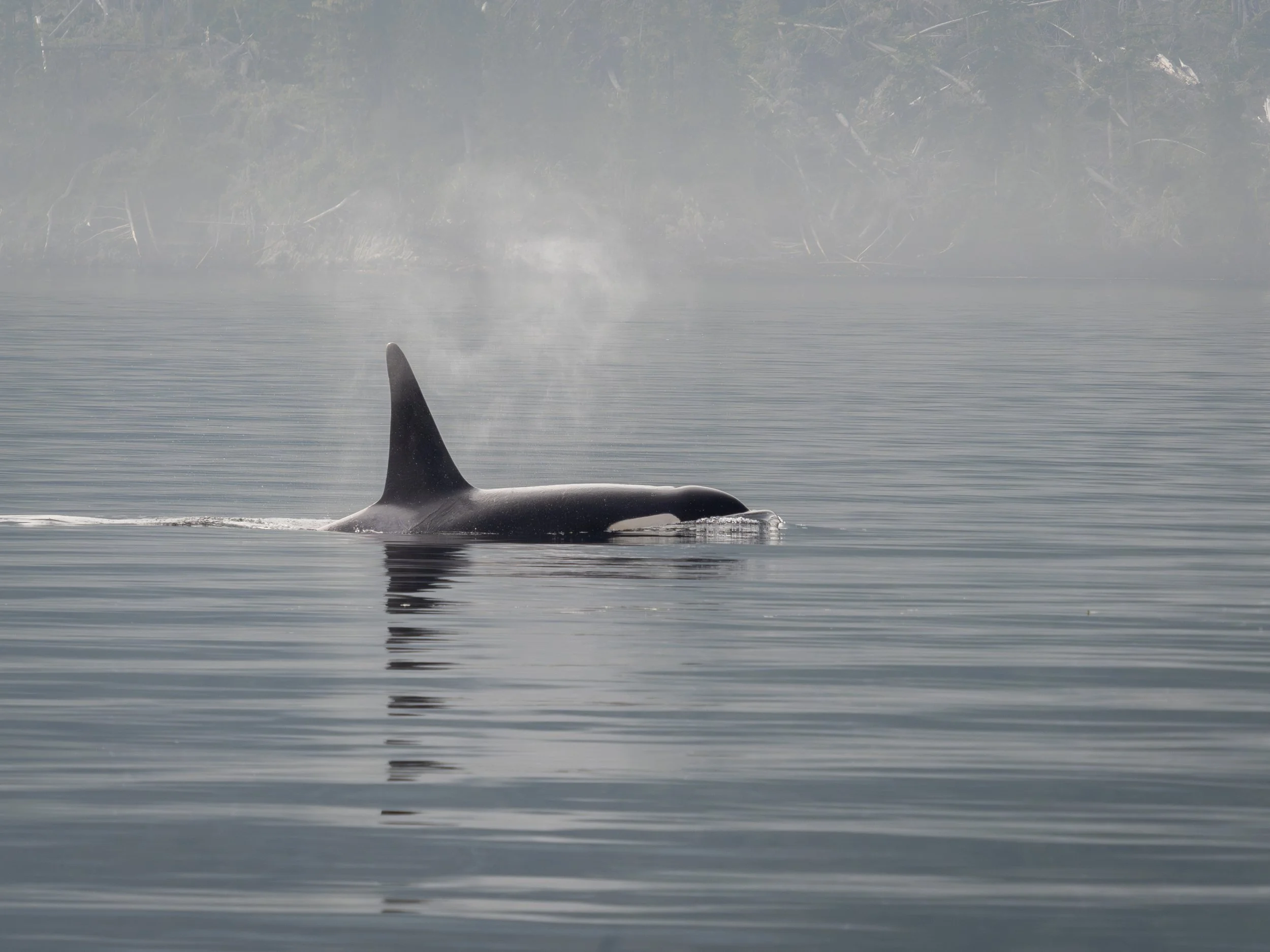
When we’re out on the water, the most memorable and meaningful moments happen when we’re quiet.
The breath of a humpback as they surface on a glassy calm day. The sound of 100 dolphins stampeding down the straight. The chatter of orcas communicating with each other as we listen in on our hydrophone. Everyone on the boat silent, listening, watching.
For us, ethical whale watching is more than just taking our guests out to see wildlife. It’s about fostering a connection to the natural world and recognizing that we are privileged visitors to this place and that we have a responsibility to take care of it.
We’ve been in the wildlife watching and tourism industry for many years and we’ve spent a lot of time thinking about how our industry interacts with the animals we care so deeply about.
Like all motorized vessels, whale watching boats create noise underwater. Even with measure like reducing speed and shutting down the engines whenever possible, the reality is that any time we start the engines, shift gears, or change speed, there is noise. As research around underwater noise and its impact on marine mammals continues to grow, we asked ourselves a question:
What would a quieter approach to whale watching look like?
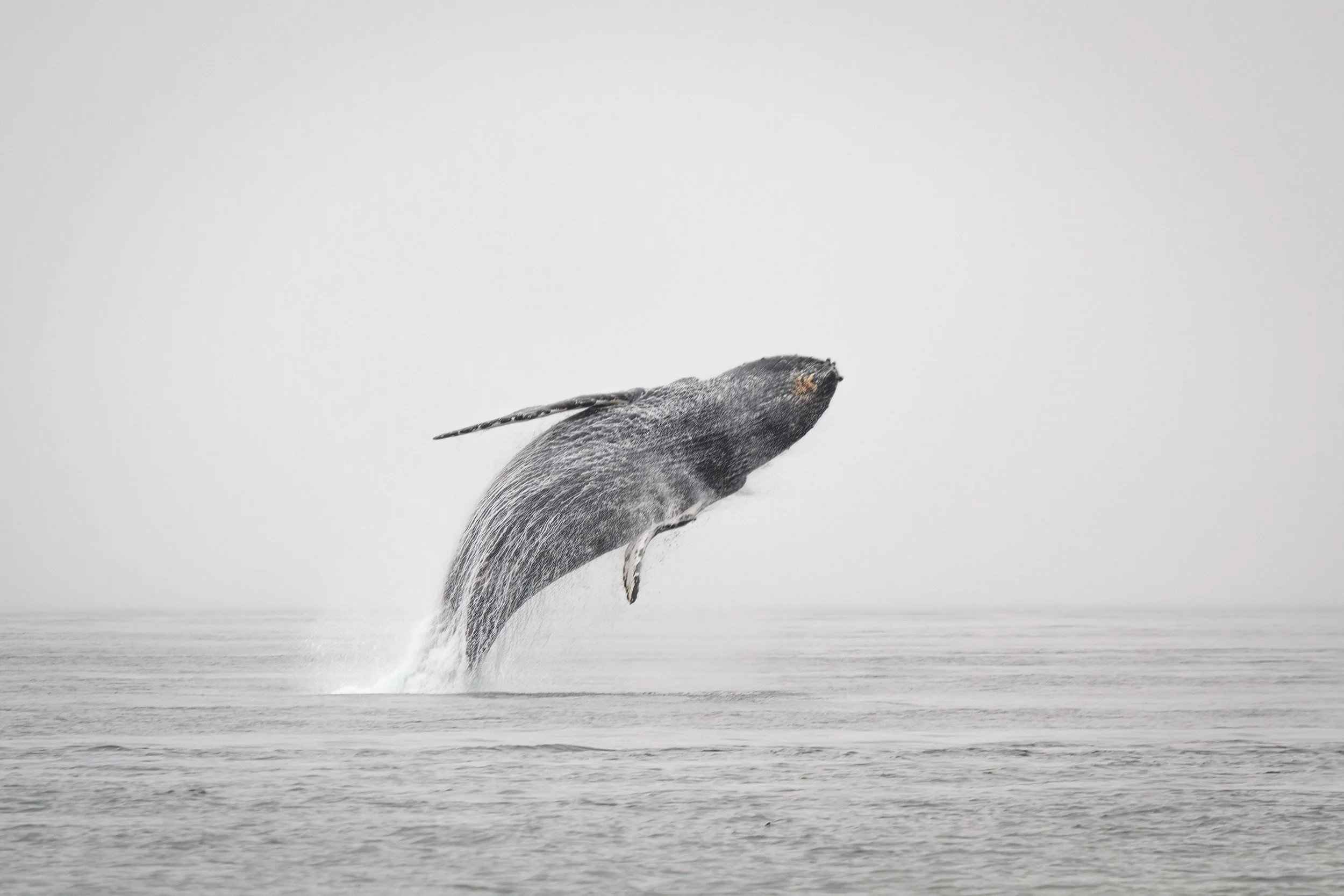
When we decided to retire our current vessel, it became an opportunity to rethink how we operate on the water.
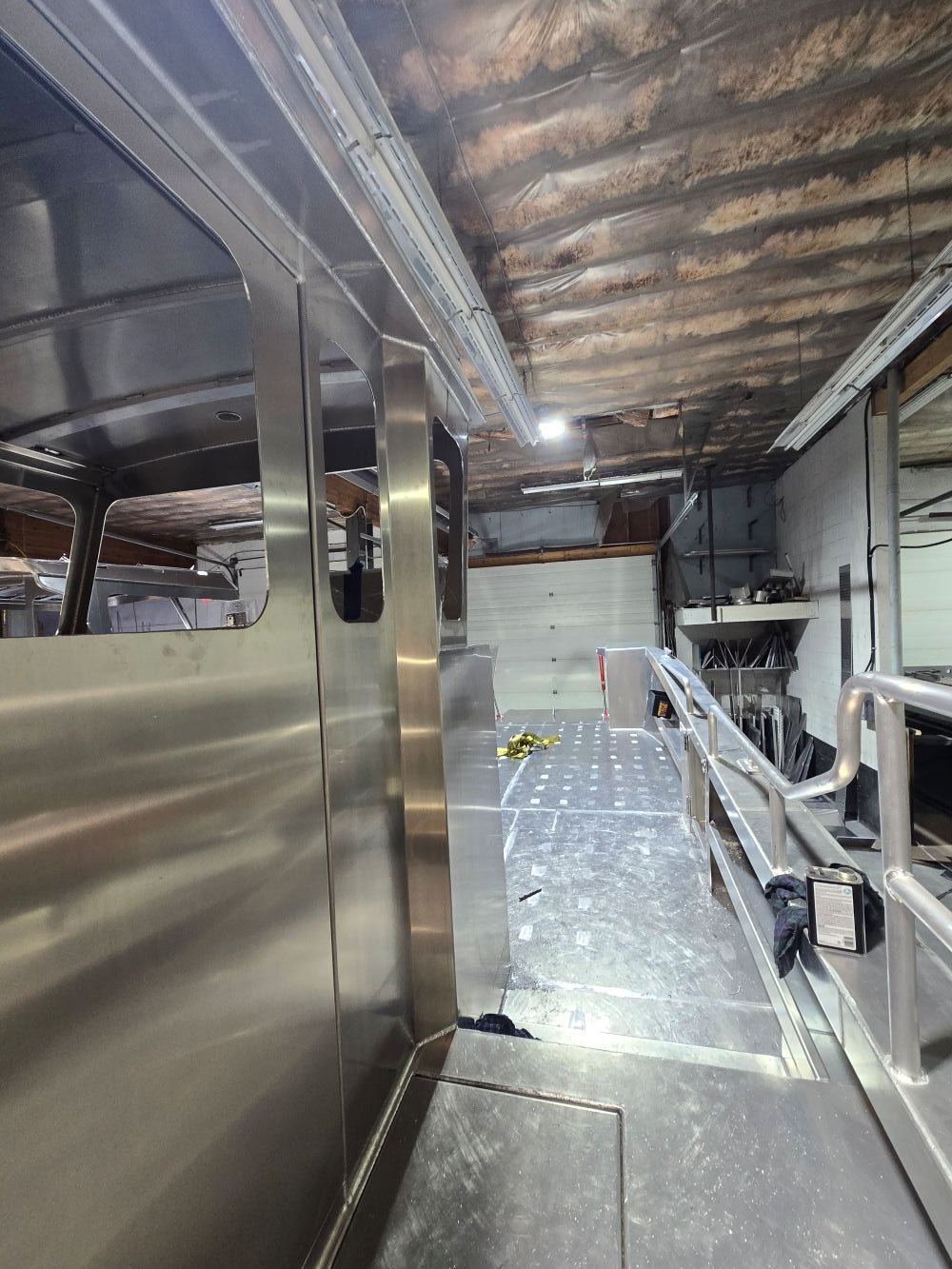
This year, we’ve been working on building a new custom whale watching vessel, designed around a central idea:
Reducing our impact on wildlife and the environment while creating a more thoughtful experience on the water.
The boat is being built locally on Northern Vancouver Island using Canadian materials and craftmanship, and while we’ll still be using traditional gas outboards to travel longer distances, the goal is to operate a little differently once we arrive with wildlife.
Instead of idling the gas engines while observing whales, we’ll switch to a quieter electric engine to reduce or even eliminate underwater noise.
The technology is still evolving, and this project is very much an experiment. Going fully electric isn’t yet realistic for where we operate and the range we cover, especially in a remote coastal environment like Northern Vancouver Island. But we believe meaningful improvements can still happen now, even before the technology becomes perfect.
One of the most interesting parts of this project has been learning more about how underwater sound is created.
A large amount of propeller noise comes from something called tip vortices. As a propeller spins through the water, the outer edges of the blades move much faster than the inner sections, creating turbulence and cavitation that can dramatically increase underwater noise transmission.
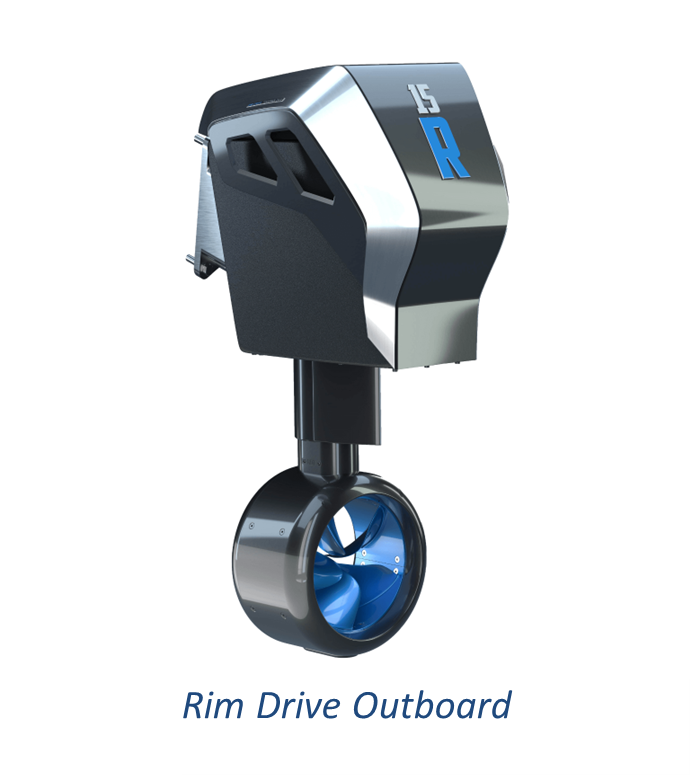
To help address this, we’re working with a company in the Netherlands called Rim Drive Technology, whose electric propulsion system uses a different propeller design intended to reduce that cavitation noise. Their propellers are mounted on the outside of a rim rather than around a central hub, potentially reducing some of the underwater sound associated with traditional propeller systems.
While we still have much to learn about how effective this approach will ultimately be, we believe it’s worth exploring.
The vessel will also feature a large solar array built into the roof structure, helping charge the onboard battery bank while out on the water. Our guests will quite literally be sheltering beneath the system that is helping power a cleaner, quieter viewing experience.
Alongside reducing underwater noise, the hybrid system is also expected to reduce our fuel use by roughly 25–30% based on our current engine usage patterns. Because a large percentage of our operating hours happen at low RPMs while viewing wildlife, these are the moments we hope to increasingly replace with electric propulsion. Reducing our fuel use lowers our emissions, and means less exhaust at the water’s surface where wildlife come to breathe. Reducing the amount of time we use the gas engines means we’ll be able to keep them longer, rather than replacing them with new engines more frequently.
Ultimately, this project is about asking better questions about wildlife tourism and ethical whale watching.
How do we continue sharing powerful wildlife experiences while reducing our impact? How do we design tours that prioritize the animals’ space and well-being? And how do we continue to improve and do better, even when there isn’t a perfect solution yet?
We see this as a step in the right direction. It’s our hope that we can move toward a quieter, lower-impact way to view wildlife while we continue to connect people with the natural world.
Over the next few weeks and months, we’ll be sharing more of the process of the build and the launch of the new boat, including all the challenges and lessons learned along the way.
This is about exploring what responsible wildlife viewing can look like in the future, because for us, the wildlife always come first.